

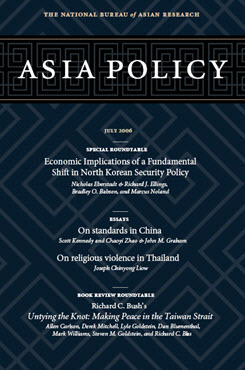
The PRC's Evolving Standards System
Institutions and Strategy
This research note examines the Chinese standards system, including its management system and institutions, and the procedures for the development of national standards. In addition, China’s technical standards development strategy is covered at length, including its overall goals and methods of implementation.
EXECUTIVE SUMMARY
MAIN FINDINGS
- The core task of China’s technical standards development strategy is to improve the adaptability and competitiveness of China’s technical standards, taking China from a position of net importer of foreign developed standards to an exporter of Chinese standards to the international market. The official timeline calls for this reversal to occur before 2020.
- China’s current standards system consists of a vertical hierarchy of four levels—national standards, trade standards, local standards, and enterprise standards—as well as a horizontal array of complementary institutions.
- Private enterprise and the needs of the market will play a leading role in improving and causing China’s standards to adapt to market conditions.
- In order to improve the competitiveness of Chinese standards in the international market, independent technological content in standards will be increased as China competes to produce more international standards.
- China’s new approach to standardization includes such goals as creating an environment conducive to innovation, the large-scale adoption of international standards, the creation of a system that ensures that standards are responsive to the market, and the promotion of legal reform.
About Asia Policy
Asia Policy is a peer-reviewed scholarly journal presenting policy-relevant academic research on the Asia-Pacific that draws clear and concise conclusions useful to today’s policymakers. Asia Policy is published quarterly in January, April, July, and October and accepts submissions on a rolling basis. Learn more