

Balancing Rivals
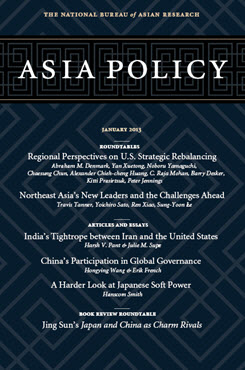
India's Tightrope between Iran and the United States
Through an analysis of India’s bilateral relationship with both countries, this article maintains that Indian interests, rather than U.S. pressure, will largely determine India’s foreign policy toward Iran. Although relations with Washington are valuable to New Delhi, India will maintain its emphasis on strategic autonomy and continue to walk a tightrope between Iran and the United States.
Free to download through March 3.
EXECUTIVE SUMMARY
MAIN ARGUMENT
In light of steady economic growth since the turn of the century, the Indian government has positioned energy security as a key foreign policy consideration to sustain the economic and social development crucial to India’s rise in the international system. Within this framework, India has been required to perform a delicate balancing act in relations with Iran and the U.S. This article maintains that Indian interests, rather than U.S. pressure, will determine the course of India’s relations with Iran. This conclusion is drawn from an analysis of India’s bilateral relations with both countries, giving due consideration to India’s energy security needs, internal dynamics, ties with Israel, and regional interests.
POLICY IMPLICATIONS
- Energy security will remain a key consideration in Indian foreign policy for the foreseeable future. Although investment in alternative sources of energy will help reduce the perceived need for relations with Iran, the sufficient development of such sources remains a long-term aspiration.
- New Delhi’s continued emphasis on strategic autonomy undercuts efforts by Washington to influence Indo-Iranian relations. Engaging India in international energy forums, such as the International Energy Agency, will encourage dialogue on developing alternative solutions to India’s energy security needs while allowing India to preserve its strategic autonomy.
- India’s relations with Iran could prove to be a useful bridge between the U.S. and Iran. Rather than push to curb these ties, Washington may find value in considering New Delhi’s potential role as an interlocutor in reaching out to Tehran.
About Asia Policy
Asia Policy is a peer-reviewed scholarly journal presenting policy-relevant academic research on the Asia-Pacific that draws clear and concise conclusions useful to today’s policymakers. Asia Policy is published quarterly in January, April, July, and October and accepts submissions on a rolling basis. Learn more